AN ODE TO RARE BEAUTY
discoverHighlights


the
notion
of rarity
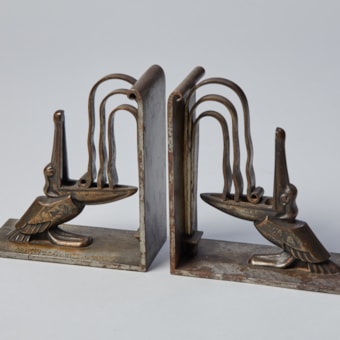
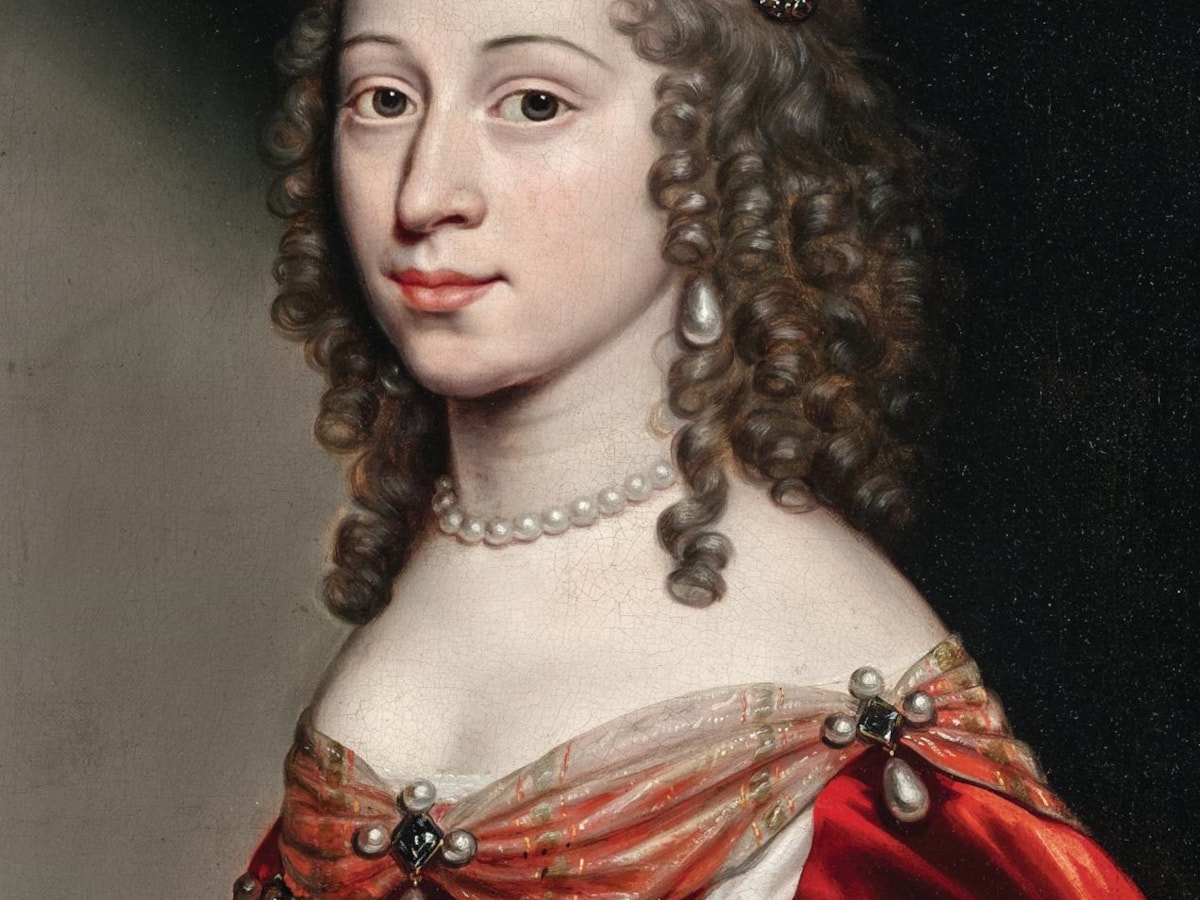
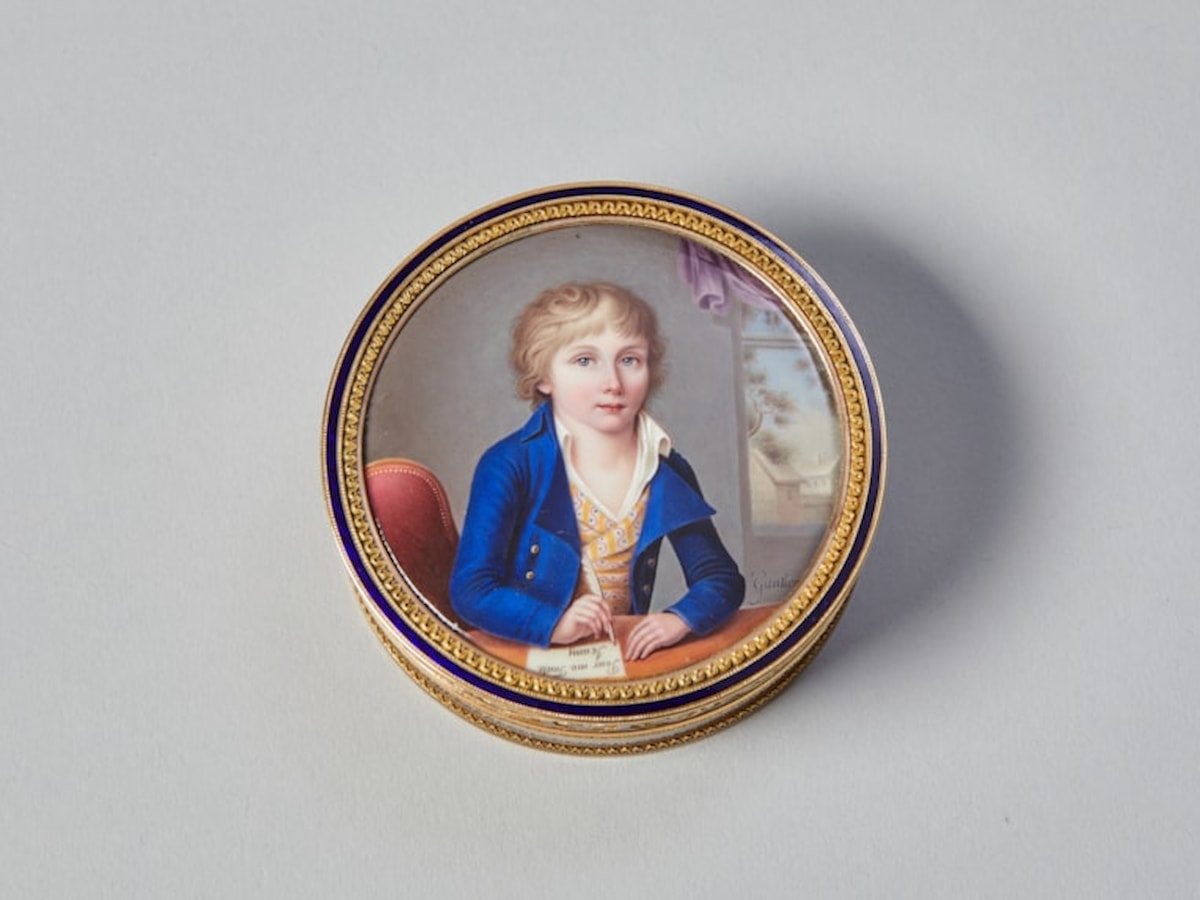
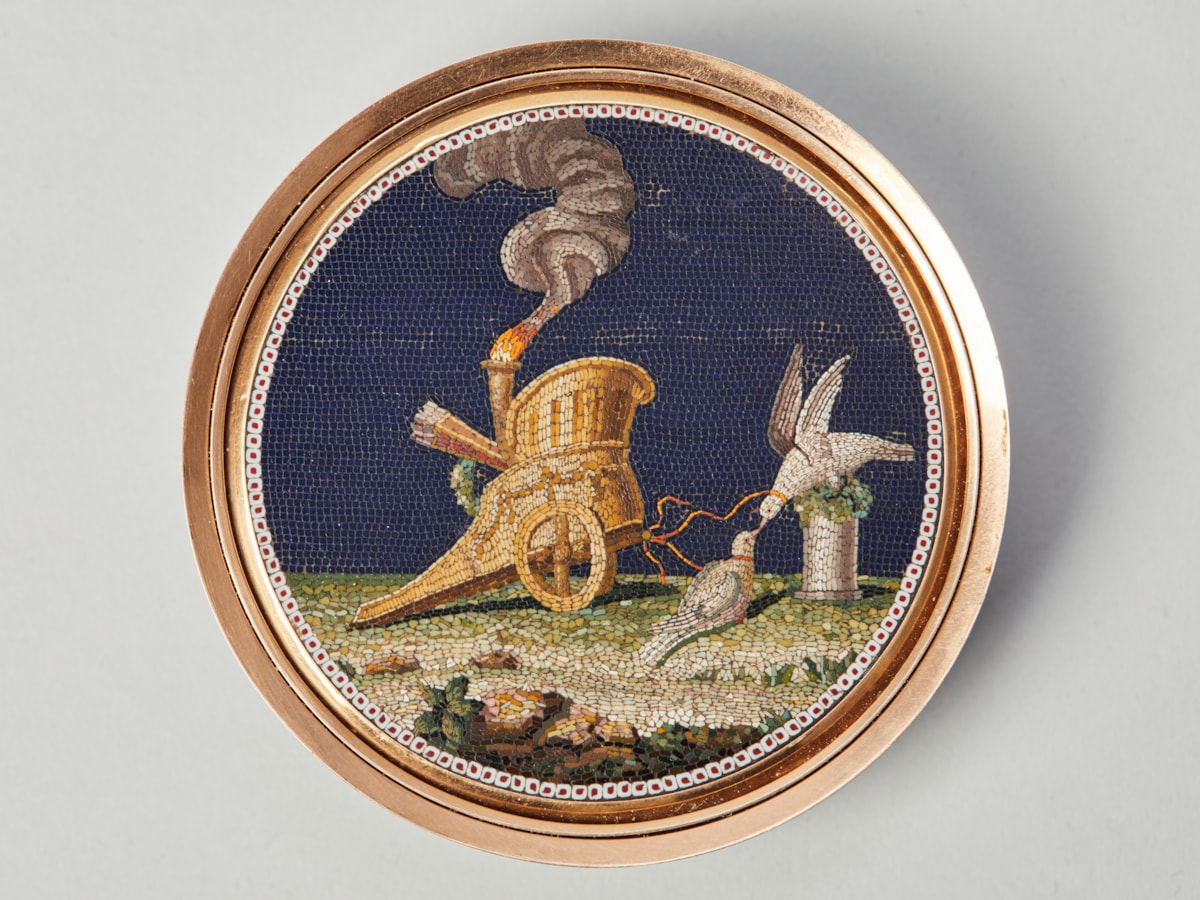
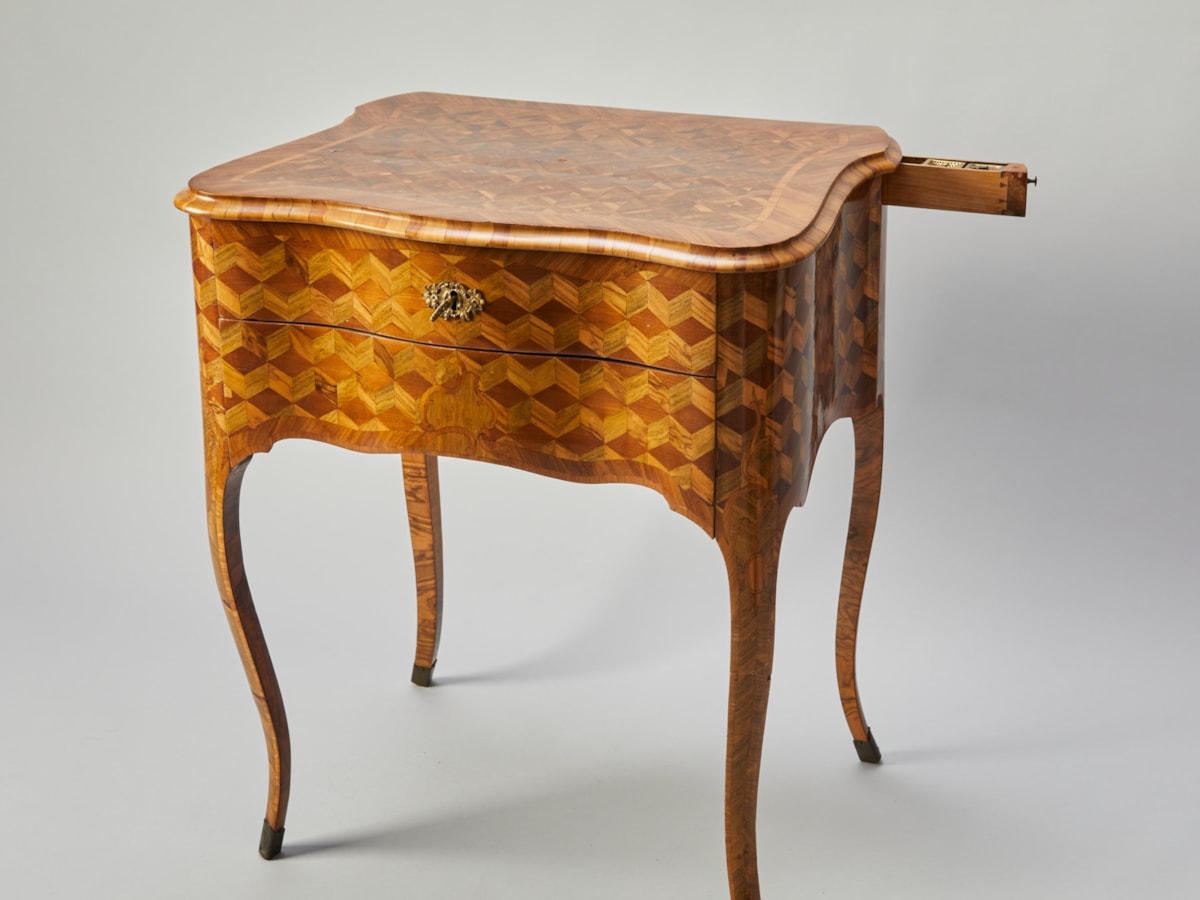
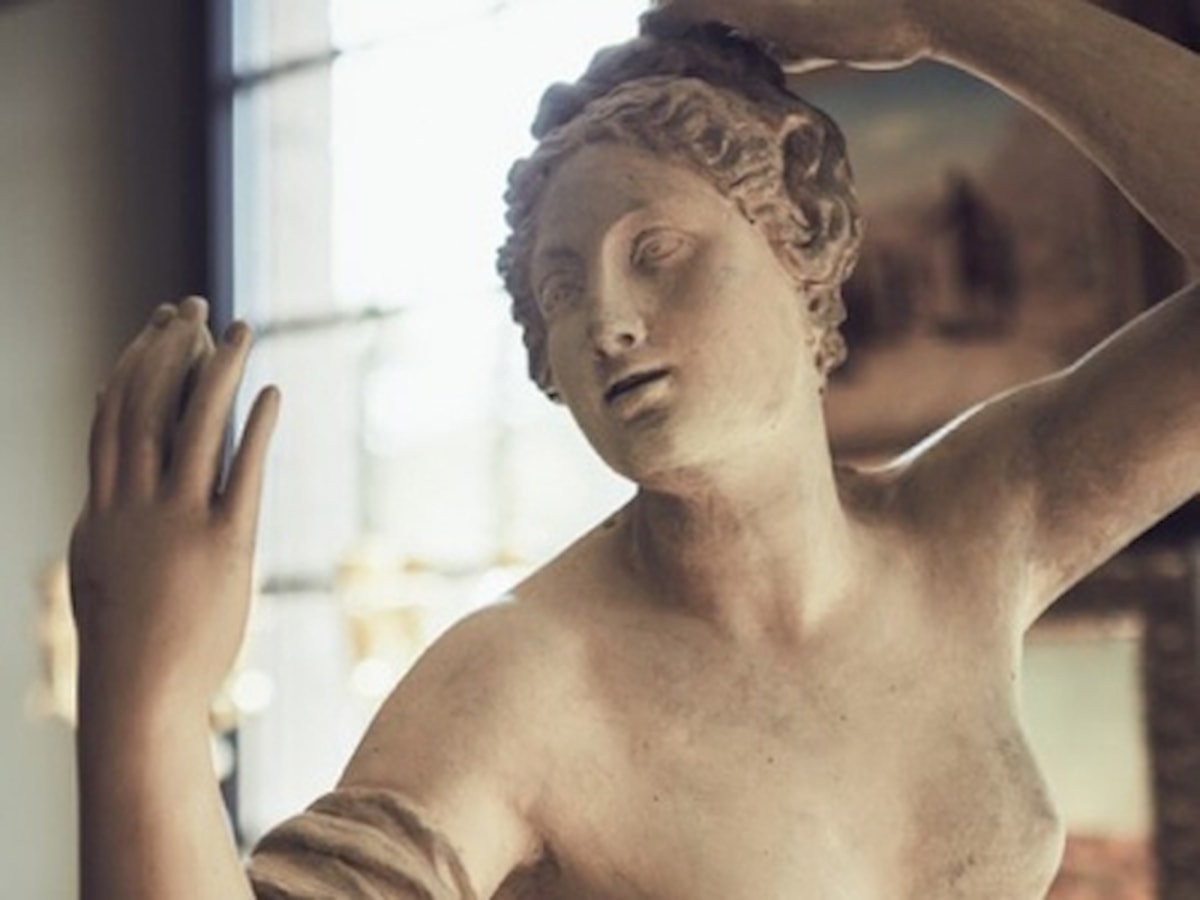
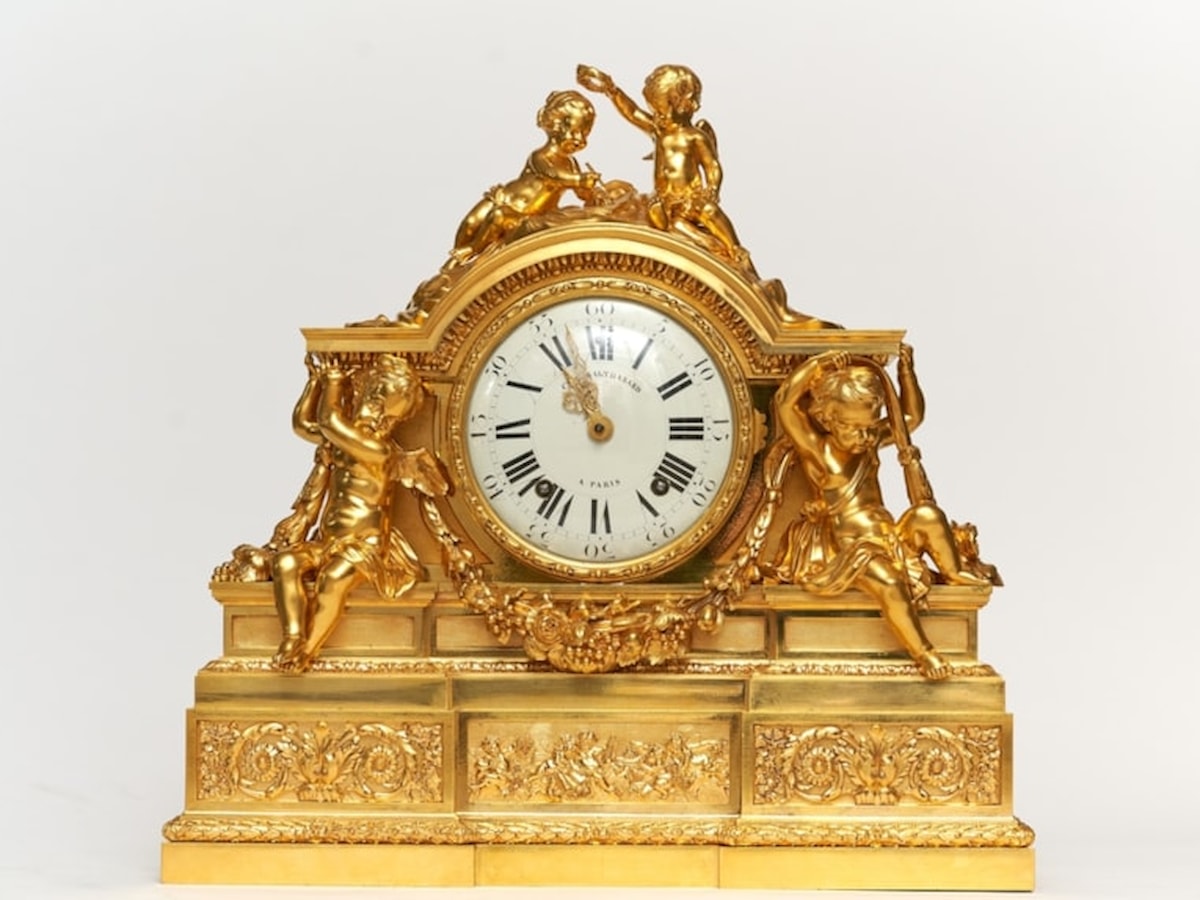
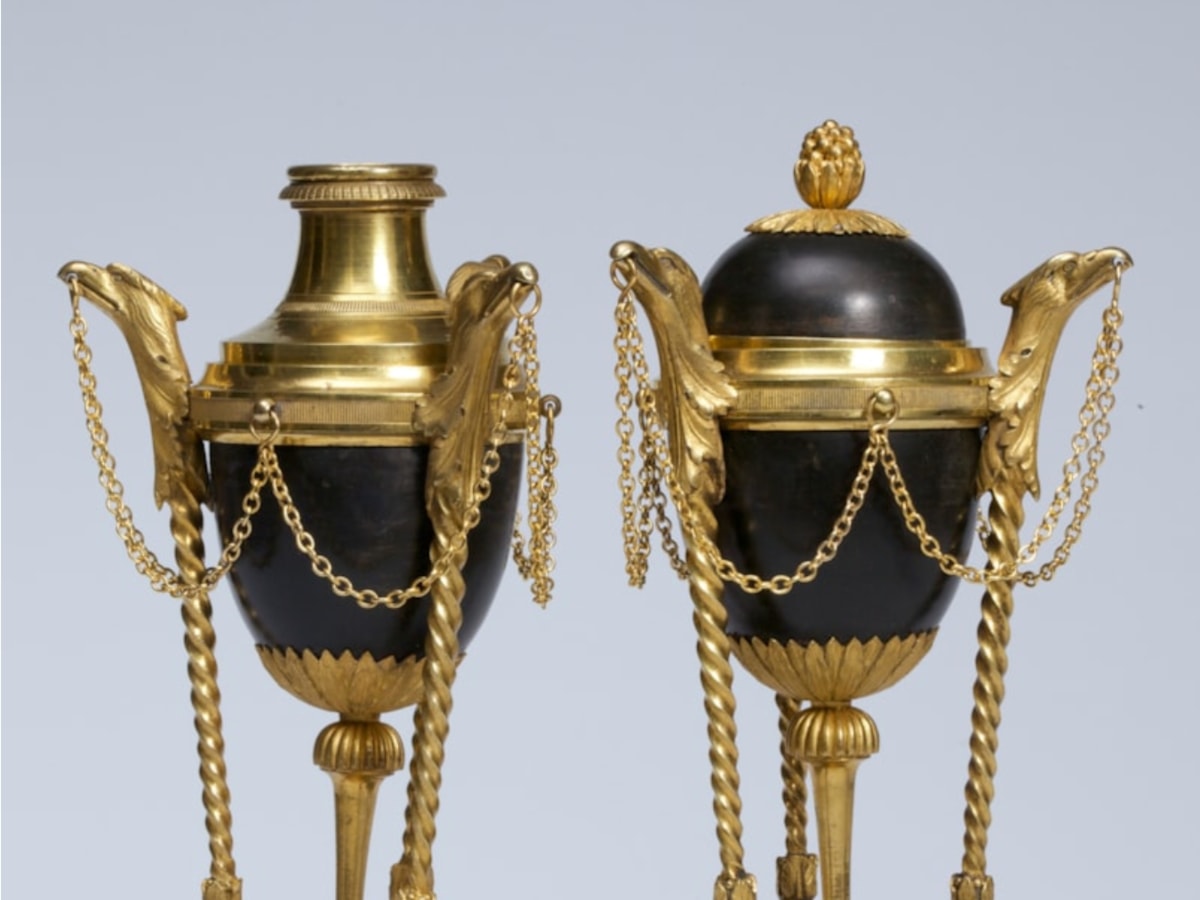
Ralph Gierhards Antique and Fine Art in Düsseldorf is dedicated to the pursuit of rare and distinguished works spanning from the 16th to the early 20th century. Each piece is selected not simply for its period, but for its presence, condition, and relevance within today’s evolving culture of collecting.
COLLECTION

the
notion
of beauty
In an age of endless images and instant access, the value of true beauty lies elsewhere. In duration, in presence, and in the items that call for our attention. Ralph Gierhards Antique and Fine Art in Düsseldorf is shaped by this understanding. As a second-generation art dealer, Ralph Gierhards focuses on pieces selected not only for their importance, but for their capacity to hold and reward the human gaze.
Each piece acquired undergoes a meticulous process of examination, regarding its condition, provenance, and authenticity. With our longstanding expertise these elements are carefully verified, as well as thoughtfully restored when required. In this way, beauty is not only preserved, but reactivated for a new context of collecting.
Each piece acquired undergoes a meticulous process of examination, regarding its condition, provenance, and authenticity. With our longstanding expertise these elements are carefully verified, as well as thoughtfully restored when required. In this way, beauty is not only preserved, but reactivated for a new context of collecting.
Ownership is the most intimate relationship that one can have to objects.
Not that they come alive in him;
It is he who live in them.
Not that they come alive in him;
It is he who live in them.
Walter Benjamin
the
act
fof sharing
Timeless art is not common. It is hard to find, complex to examine and requires deep knowledge and care. However, this trying process is essential and worth it, because the outcome is unique and deeply rewarding.
Ralph Gierhards has been a true advocate of the importance in correct evaluation, as well as meaningful appreciation for these pieces. This is why he shares his knowledge and resources for support in research, expert authentication and museum loans. Specifically, the practice of Ralph Gierhards Kunsthandel in Düsseldorf extends to the brokerage of significant works of art, as well as the careful coordination of museum loans.
Ralph Gierhards has been a true advocate of the importance in correct evaluation, as well as meaningful appreciation for these pieces. This is why he shares his knowledge and resources for support in research, expert authentication and museum loans. Specifically, the practice of Ralph Gierhards Kunsthandel in Düsseldorf extends to the brokerage of significant works of art, as well as the careful coordination of museum loans.





THE WINDING HISTORY OF THE CHANDELIER
When entering a grand hall with tall ceilings and eclectic surroundings, there is almost an instinctive expectation that somewhere above, a chandelier will be hanging, illuminating and dominating the space. Few decorative objects possess the same ability to immediately establish grandeur. Suspended overhead, chandeliers occupy an unusual position between architecture, sculpture and practical design. Across approximately eight centuries, they have shifted in function, importance, visual identity and symbolism, reflecting the tastes, technologies and social structures of the cultures that created them.
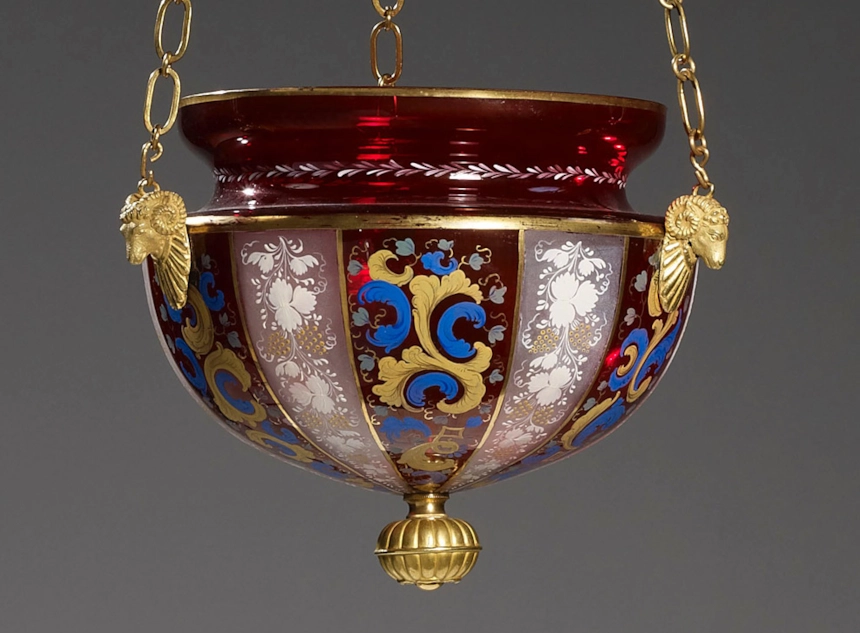 A polychrome painted glass lantern, Russia ca. 1820
First things first, the traditional chandelier can be defined as a decorative ceiling-mounted light fixture consisting of multiple lamps or candle holders arranged on branching arms, most often extending from a central frame or suspended structure. The word itself derives from the French chandelle, meaning candle, appropriately preserving the chandelier's original relationship with flame. Long before electricity transformed its purpose, the chandelier existed as a sophisticated method of multiplying and distributing candlelight throughout large interiors.
Its story, however, reaches much further back. In Ancient Egypt, Greece and the Roman world, suspended lighting devices made from bronze, clay and occasionally glass illuminated temples, civic spaces and affluent homes. During the Byzantine period, elaborate forms such as the polycandelion developed, often consisting of circular metal structures holding numerous oil lamps. Their glowing, suspended presence could create an almost mystical atmosphere, particularly within religious architecture. What began primarily as a practical response to darkness gradually acquired symbolic weight. Light itself suggested divinity, ceremony and status, while the ability to illuminate a vast space became increasingly connected with wealth and influence.
By the Middle Ages, suspended lighting fixtures had become essential features of castles, cathedrals and large ceremonial halls. Medieval chandeliers were typically constructed from iron or wood, with candles positioned around circular hoops, crosses or branching frameworks suspended from the ceiling. Compared with the elaborate examples of later centuries, their forms were relatively simple and robust. Yet there was something striking about them already: an enormous structure floating above a room, transforming numerous individual flames into a collective source of light. Even in their most functional form, chandeliers carried a certain theatrical presence.
The Renaissance gave that presence a considerably more artistic vocabulary. As craftsmanship and decorative metalwork became increasingly sophisticated, blacksmiths and metalworkers produced chandeliers with more intricate branching structures, carefully balanced compositions and ornamental details. Brass and bronze joined iron as important materials, while Renaissance fascination with Classical Greece and Rome introduced scrolls, balanced proportions and architectural motifs. The chandelier was no longer simply a device from which candles could be suspended; it became a crafted object worth observing in its own right. Nevertheless, Renaissance examples remained comparatively structured and disciplined, particularly when viewed beside the exuberance that would soon follow.
During the Baroque period of the 17th and early 18th centuries, the chandelier became unapologetically spectacular. European palaces and aristocratic interiors demanded objects capable of complementing richly decorated ceilings, mirrors, gilded surfaces and monumental architecture. Chandeliers answered with multiple tiers, scrolling arms, gilded bronze and increasingly elaborate arrangements of glass and crystal. Their brilliance was not incidental. Every drop and prism could catch candlelight and scatter it around the room, multiplying the visual impact of relatively weak flames.
Rococo pushed this fascination with spectacle toward something lighter, more playful and more sensual. Particularly associated with 18th-century France, Rococo chandeliers replaced some of Baroque's imposing symmetry with curving branches, floral motifs, shells, foliage and asymmetrical ornament. Gilded metal appeared to twist and grow organically, while suspended crystals brought movement and sparkle. The fixture began to resemble something almost alive: part plant, part jewellery and part architecture. This remains one of the chandelier's most recognisable visual identities, explaining why crystal-laden Rococo-inspired forms still define the popular imagination of what a chandelier should look like.
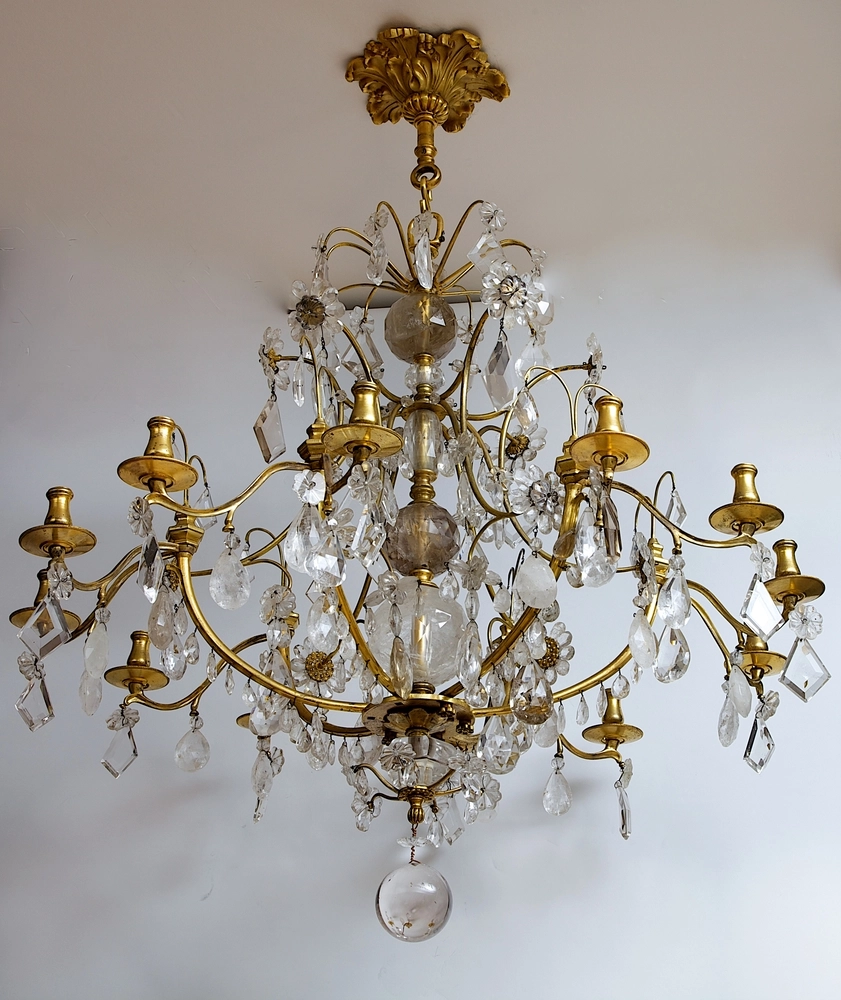
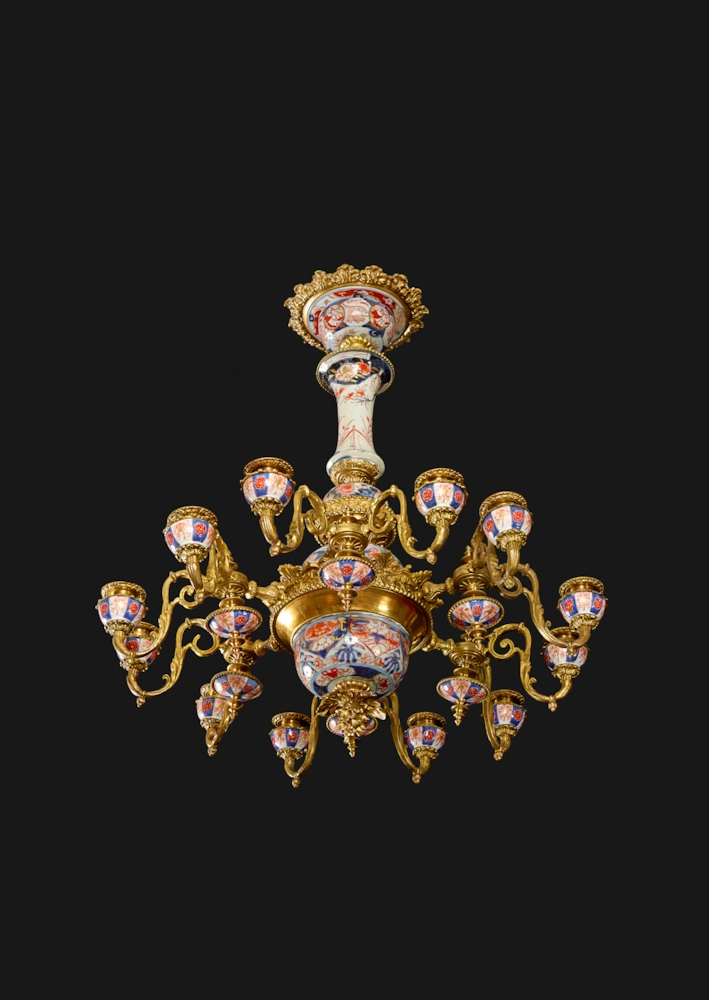 12-armed porcelain chandelier, Bayeux 19th century
If any century could rightly be described as the century of the chandelier, however, it must be the 18th. Improvements in glassmaking and crystal cutting transformed both its appearance and its cultural importance. Bohemian workshops became celebrated for highly refractive cut crystal, while Venetian makers on Murano developed spectacular blown-glass chandeliers featuring transparent branches, flowers, leaves and coloured ornamentation. France, Britain, Austria and the German States likewise developed distinctive interpretations. Chandeliers became essential demonstrations of taste within palaces and wealthy residences, while mirrors strategically positioned around rooms multiplied their light even further.
From oil lamps and candles to gas and eventually electricity, the chandelier continually adapted to changing technologies without losing its symbolic significance. The source of illumination changed dramatically, yet its position remained the same: suspended above us, occupying the visual centre of a room and turning light into ceremony.
Perhaps this is why chandeliers have survived far beyond the practical need that originally created them. Today, whether encountered as an antique crystal masterpiece, a Murano glass sculpture or an experimental contemporary installation, the chandelier still does more than illuminate. It announces a space. It draws the eye upward. And after centuries of reinvention, it continues to make light itself part of the light design and the objective decoration.
A polychrome painted glass lantern, Russia ca. 1820First things first, the traditional chandelier can be defined as a decorative ceiling-mounted light fixture consisting of multiple lamps or candle holders arranged on branching arms, most often extending from a central frame or suspended structure. The word itself derives from the French chandelle, meaning candle, appropriately preserving the chandelier's original relationship with flame. Long before electricity transformed its purpose, the chandelier existed as a sophisticated method of multiplying and distributing candlelight throughout large interiors.
Its story, however, reaches much further back. In Ancient Egypt, Greece and the Roman world, suspended lighting devices made from bronze, clay and occasionally glass illuminated temples, civic spaces and affluent homes. During the Byzantine period, elaborate forms such as the polycandelion developed, often consisting of circular metal structures holding numerous oil lamps. Their glowing, suspended presence could create an almost mystical atmosphere, particularly within religious architecture. What began primarily as a practical response to darkness gradually acquired symbolic weight. Light itself suggested divinity, ceremony and status, while the ability to illuminate a vast space became increasingly connected with wealth and influence.
Crystal Chandelier, Germany 18th century
By the Middle Ages, suspended lighting fixtures had become essential features of castles, cathedrals and large ceremonial halls. Medieval chandeliers were typically constructed from iron or wood, with candles positioned around circular hoops, crosses or branching frameworks suspended from the ceiling. Compared with the elaborate examples of later centuries, their forms were relatively simple and robust. Yet there was something striking about them already: an enormous structure floating above a room, transforming numerous individual flames into a collective source of light. Even in their most functional form, chandeliers carried a certain theatrical presence.
The Renaissance gave that presence a considerably more artistic vocabulary. As craftsmanship and decorative metalwork became increasingly sophisticated, blacksmiths and metalworkers produced chandeliers with more intricate branching structures, carefully balanced compositions and ornamental details. Brass and bronze joined iron as important materials, while Renaissance fascination with Classical Greece and Rome introduced scrolls, balanced proportions and architectural motifs. The chandelier was no longer simply a device from which candles could be suspended; it became a crafted object worth observing in its own right. Nevertheless, Renaissance examples remained comparatively structured and disciplined, particularly when viewed beside the exuberance that would soon follow.
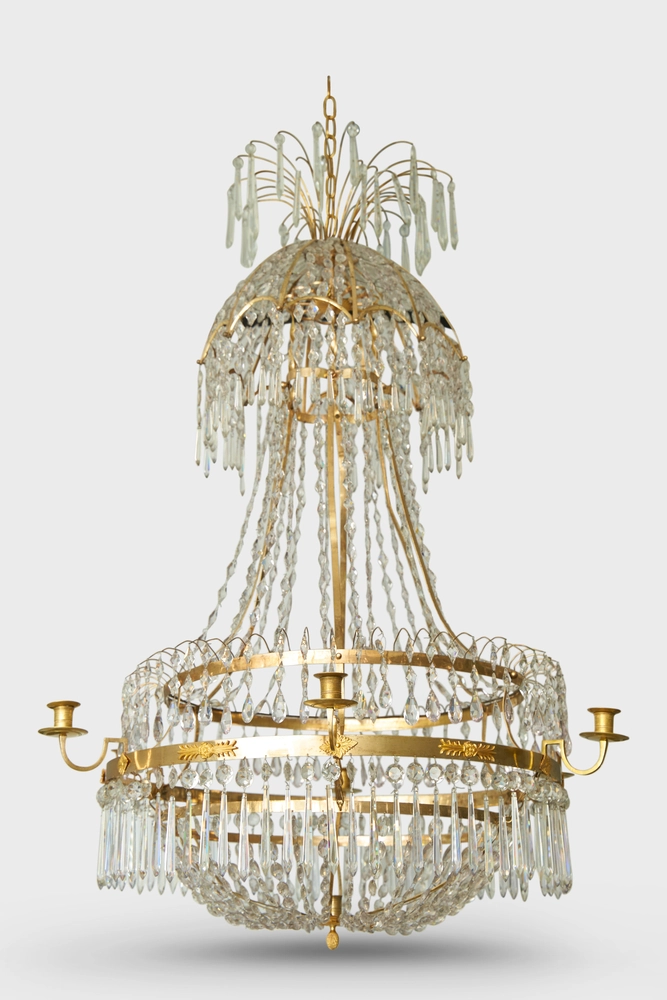
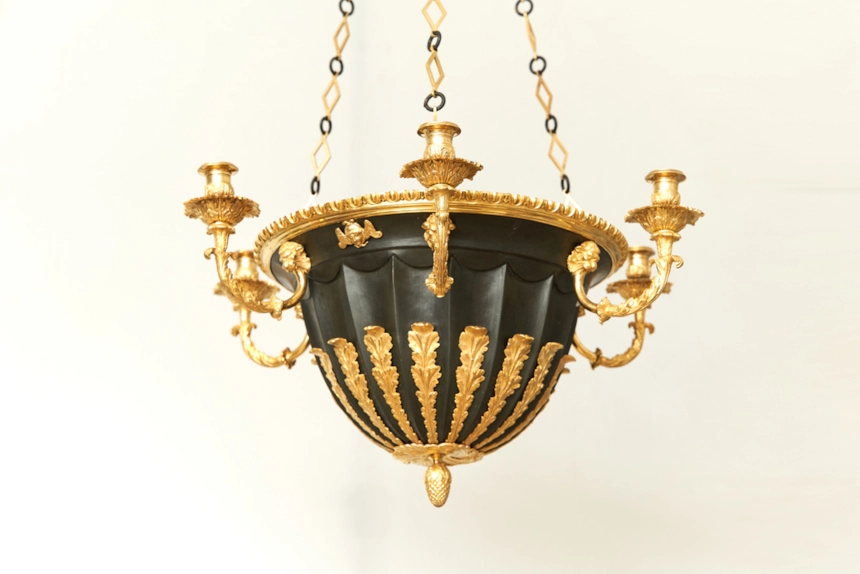
Prism Ceiling Chandelier with Bishop’s Mitra, Sweden, begin 19th century
During the Baroque period of the 17th and early 18th centuries, the chandelier became unapologetically spectacular. European palaces and aristocratic interiors demanded objects capable of complementing richly decorated ceilings, mirrors, gilded surfaces and monumental architecture. Chandeliers answered with multiple tiers, scrolling arms, gilded bronze and increasingly elaborate arrangements of glass and crystal. Their brilliance was not incidental. Every drop and prism could catch candlelight and scatter it around the room, multiplying the visual impact of relatively weak flames.
Rococo pushed this fascination with spectacle toward something lighter, more playful and more sensual. Particularly associated with 18th-century France, Rococo chandeliers replaced some of Baroque's imposing symmetry with curving branches, floral motifs, shells, foliage and asymmetrical ornament. Gilded metal appeared to twist and grow organically, while suspended crystals brought movement and sparkle. The fixture began to resemble something almost alive: part plant, part jewellery and part architecture. This remains one of the chandelier's most recognisable visual identities, explaining why crystal-laden Rococo-inspired forms still define the popular imagination of what a chandelier should look like.
12-armed porcelain chandelier, Bayeux 19th centuryIf any century could rightly be described as the century of the chandelier, however, it must be the 18th. Improvements in glassmaking and crystal cutting transformed both its appearance and its cultural importance. Bohemian workshops became celebrated for highly refractive cut crystal, while Venetian makers on Murano developed spectacular blown-glass chandeliers featuring transparent branches, flowers, leaves and coloured ornamentation. France, Britain, Austria and the German States likewise developed distinctive interpretations. Chandeliers became essential demonstrations of taste within palaces and wealthy residences, while mirrors strategically positioned around rooms multiplied their light even further.
As Rococo gradually gave way to Neoclassicism later in the century, chandelier design changed with it. The archaeological fascination with Ancient Greece and Rome encouraged a return to order, symmetry and Classical restraint. Under Louis XVI in France, irregular Rococo scrolls were replaced by garlands, urns, laurel leaves, ribbons and balanced geometric structures. By the beginning of the 19th century, Empire chandeliers took this Classical vocabulary toward even greater monumentality, often using gilt bronze, chains and cascading crystal baskets inspired by imperial Rome.
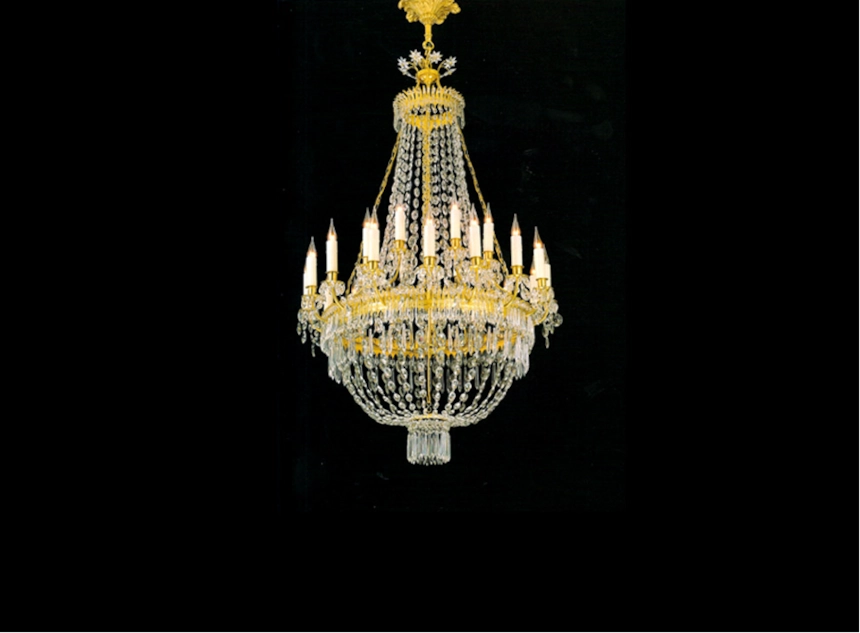
Magnificent French Empire Crystal Chandelier
From oil lamps and candles to gas and eventually electricity, the chandelier continually adapted to changing technologies without losing its symbolic significance. The source of illumination changed dramatically, yet its position remained the same: suspended above us, occupying the visual centre of a room and turning light into ceremony.
Perhaps this is why chandeliers have survived far beyond the practical need that originally created them. Today, whether encountered as an antique crystal masterpiece, a Murano glass sculpture or an experimental contemporary installation, the chandelier still does more than illuminate. It announces a space. It draws the eye upward. And after centuries of reinvention, it continues to make light itself part of the light design and the objective decoration.
A Russian Canopy Chandelier, Modell A. I. Schreiber, end 18th century
FOLLOW US ON INSTAGRAM